
Have you ever felt someone’s energy before they even said a word? That’s the power of their aura. The aura is a subtle energy field surrounding all living beings. It acts like a spiritual fingerprint, revealing emotions, intentions, and even health. In this article, we’ll explore the types of aura and their significance, shedding light on this mystical yet deeply personal energy field.
What Is an Aura?
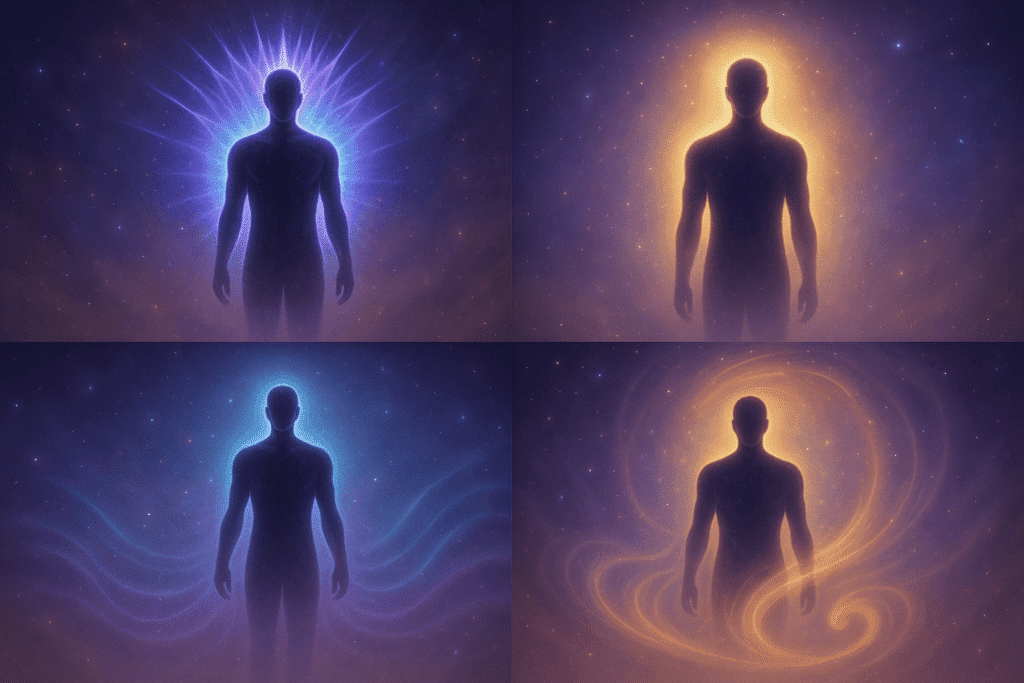
An aura is an electromagnetic energy field that surrounds the body. While often invisible to the naked eye, some claim to see or feel auras as colors, shapes, or sensations. It’s believed to interact with the physical, emotional, and spiritual aspects of a person.
The aura is divided into layers, each associated with different aspects of life: physical health, emotional well-being, mental clarity, and spiritual connection. Together, these layers create a dynamic, ever-changing field influenced by thoughts, feelings, and external environments.
Why Do Auras Matter?
Auras can reveal a lot about a person’s state of being. By understanding your aura, you can gain insights into:
- Your emotional state
- Energy imbalances
- Connections with others
- Potential physical ailments
Knowing your aura type can empower you to make changes that lead to greater harmony in your life.
The Types of Aura
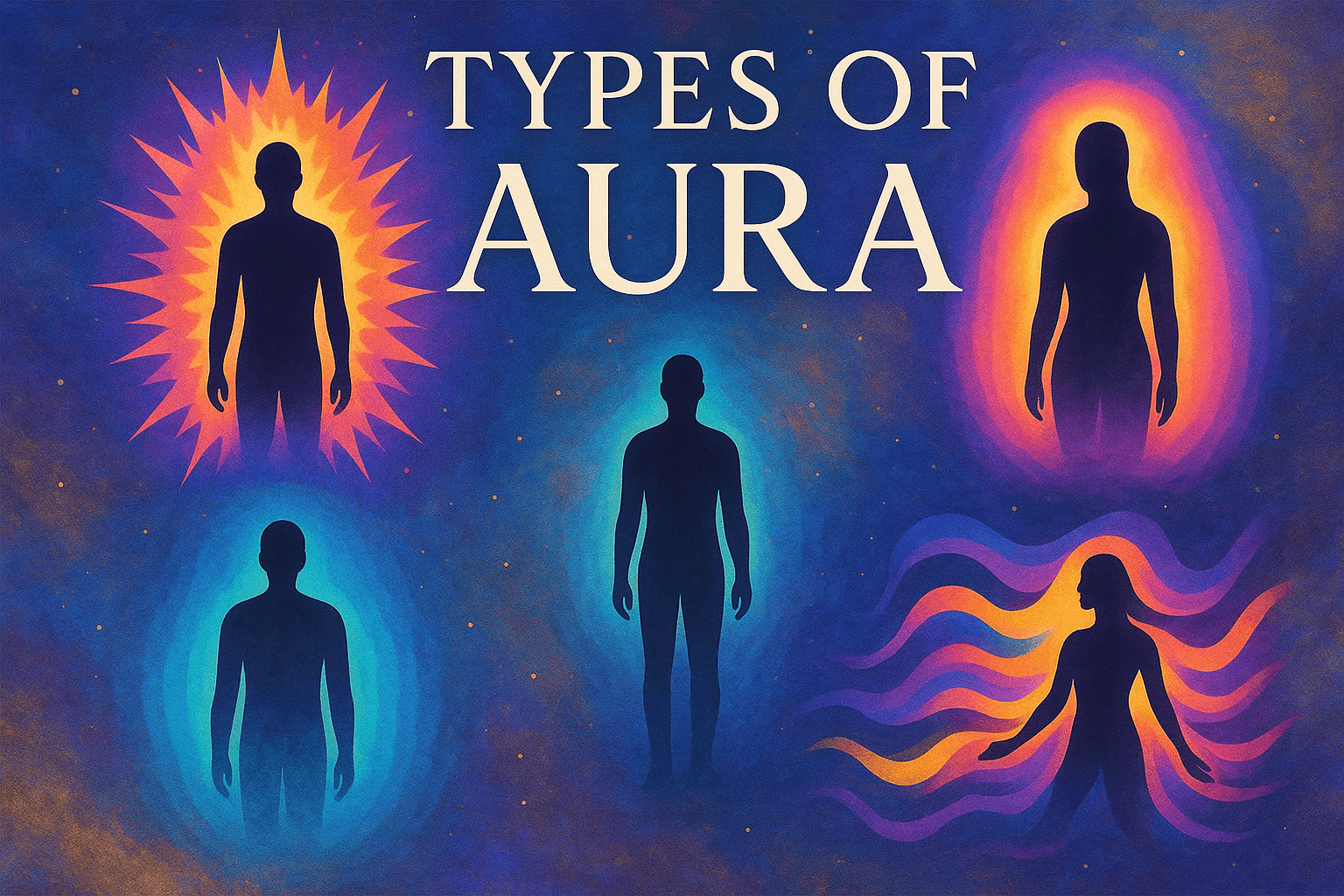
There are many types of aura, each with unique characteristics and meanings. Here’s a closer look at the types featured in the image:
1. Porcupine Aura
This type reflects defensiveness and self-protection. The energy radiates outward like spikes, creating a barrier to keep others at a distance. People with a porcupine aura often feel threatened or overwhelmed by their environment.
How to Balance It: Focus on grounding techniques like meditation or spending time in nature to ease anxiety and create a sense of safety.
2. Withdrawal Aura
This aura shows when someone retreats into themselves. The energy pulls inward, signaling isolation or the need for self-reflection.
How to Balance It: Engage in activities that bring joy and connection, such as spending time with loved ones or practicing gratitude.
3. Beside Himself Aura
This aura represents a fragmented state of mind. The person feels disconnected, as if a part of them is elsewhere.
How to Balance It: Journaling and mindfulness exercises can help integrate scattered thoughts and emotions.
4. Verbal Denial Aura
This type suggests conflict between thoughts and words. Someone with this aura might struggle to express their true feelings.
How to Balance It: Practice honest communication and self-expression through art, writing, or speaking.
5. Oral Sucking Aura
This aura indicates a need for nurturing and emotional support. It may symbolize dependency or a longing for comfort.
How to Balance It: Build emotional resilience through self-care and seeking healthy relationships.
6. Hook Aura
A hook aura suggests that someone is clinging to an idea, person, or situation. This type often reflects attachment or obsession.
How to Balance It: Focus on letting go of what no longer serves you and embracing change.
7. Mental Grasp Aura
This aura indicates intellectual curiosity or overthinking. The person’s energy focuses on solving problems or analyzing situations.
How to Balance It: Meditation and creative activities can help balance the mind and reduce stress.
8. Tentacles Aura
Tentacles aura signifies an overextension of energy. The person may feel drained from constantly giving to others.
How to Balance It: Set healthy boundaries and recharge by prioritizing self-care.
9. Silent Obvious Brooding Aura
This aura exudes heavy, unresolved emotions. It’s a sign that someone is bottling up their feelings.
How to Balance It: Talk to a trusted friend or therapist and allow yourself to process emotions.
10. Verbal Arrows Aura
This type reflects sharp, critical energy. The person may project anger or frustration outwardly.
How to Balance It: Cultivate compassion and focus on constructive ways to express your feelings.
11. Combination Aura
This aura is a mix of various types, showing a complex interplay of emotions and energies.
How to Balance It: Pay attention to recurring patterns and seek holistic practices like yoga or energy healing.
12. Hysteria Aura
This type suggests chaotic, overwhelming energy. The person may feel scattered or out of control.
How to Balance It: Ground yourself with breathing exercises and create a structured routine.
Unlock the Power of Meditation to Transform Your Aura! Discover how meditation can cleanse, energize, and expand your aura, bringing harmony to your life. Click here to read more about meditation and its benefits.
13. Boundary Containment Aura
This aura indicates strong personal boundaries and self-control. The energy remains close to the body, showing discipline and focus.
How to Balance It: While this is generally a healthy aura, ensure you’re not too rigid by allowing room for spontaneity.
14. Power-Will Display Aura
This aura exudes confidence and determination. The energy radiates outward in a controlled, purposeful way.
How to Balance It: Channel this energy into meaningful goals while staying grounded and humble.
Summary Table
| Aura Type | How to Balance It |
|---|---|
| Porcupine Aura | Focus on grounding techniques like meditation or spending time in nature to ease anxiety and create a sense of safety. |
| Withdrawal Aura | Engage in activities that bring joy and connection, such as spending time with loved ones or practicing gratitude. |
| Beside Himself Aura | Journaling and mindfulness exercises can help integrate scattered thoughts and emotions. |
| Verbal Denial Aura | Practice honest communication and self-expression through art, writing, or speaking. |
| Oral Sucking Aura | Build emotional resilience through self-care and seeking healthy relationships. |
| Hook Aura | Focus on letting go of what no longer serves you and embracing change. |
| Mental Grasp Aura | Meditation and creative activities can help balance the mind and reduce stress. |
| Tentacles Aura | Set healthy boundaries and recharge by prioritizing self-care. |
| Silent Obvious Brooding Aura | Talk to a trusted friend or therapist and allow yourself to process emotions. |
| Verbal Arrows Aura | Cultivate compassion and focus on constructive ways to express your feelings. |
| Combination Aura | Pay attention to recurring patterns and seek holistic practices like yoga or energy healing. |
| Hysteria Aura | Ground yourself with breathing exercises and create a structured routine. |
| Boundary Containment Aura | While this is generally a healthy aura, ensure you’re not too rigid by allowing room for spontaneity. |
| Power-Will Display Aura | Channel this energy into meaningful goals while staying grounded and humble. |
How to See and Interpret Auras
While some people claim to naturally see auras, others can develop this ability through practice. Techniques include:
- Softening Your Gaze: Look at someone in a relaxed way, focusing on the space around their body.
- Using Peripheral Vision: Auras are more visible when not looking directly at a person.
- Meditation: Regular meditation can heighten your sensitivity to energy fields.
- Energy Exercises: Practices like Reiki or Tai Chi help you tune into subtle energy changes.
Final Thoughts
Understanding the types of aura can deepen your connection with yourself and others. By recognizing the energy you project and the energies around you, you can create a more harmonious life.
Start exploring your aura today. What type do you resonate with the most? Share your experiences and insights in the comments below your journey might inspire someone else!
I got what you mean ,saved to bookmarks, very decent website .
Enjoyed reading this, very good stuff, thanks.
I was reading through some of your articles on this internet site and I conceive this web site is real instructive! Keep putting up.
I reckon something truly interesting about your blog so I saved to my bookmarks.